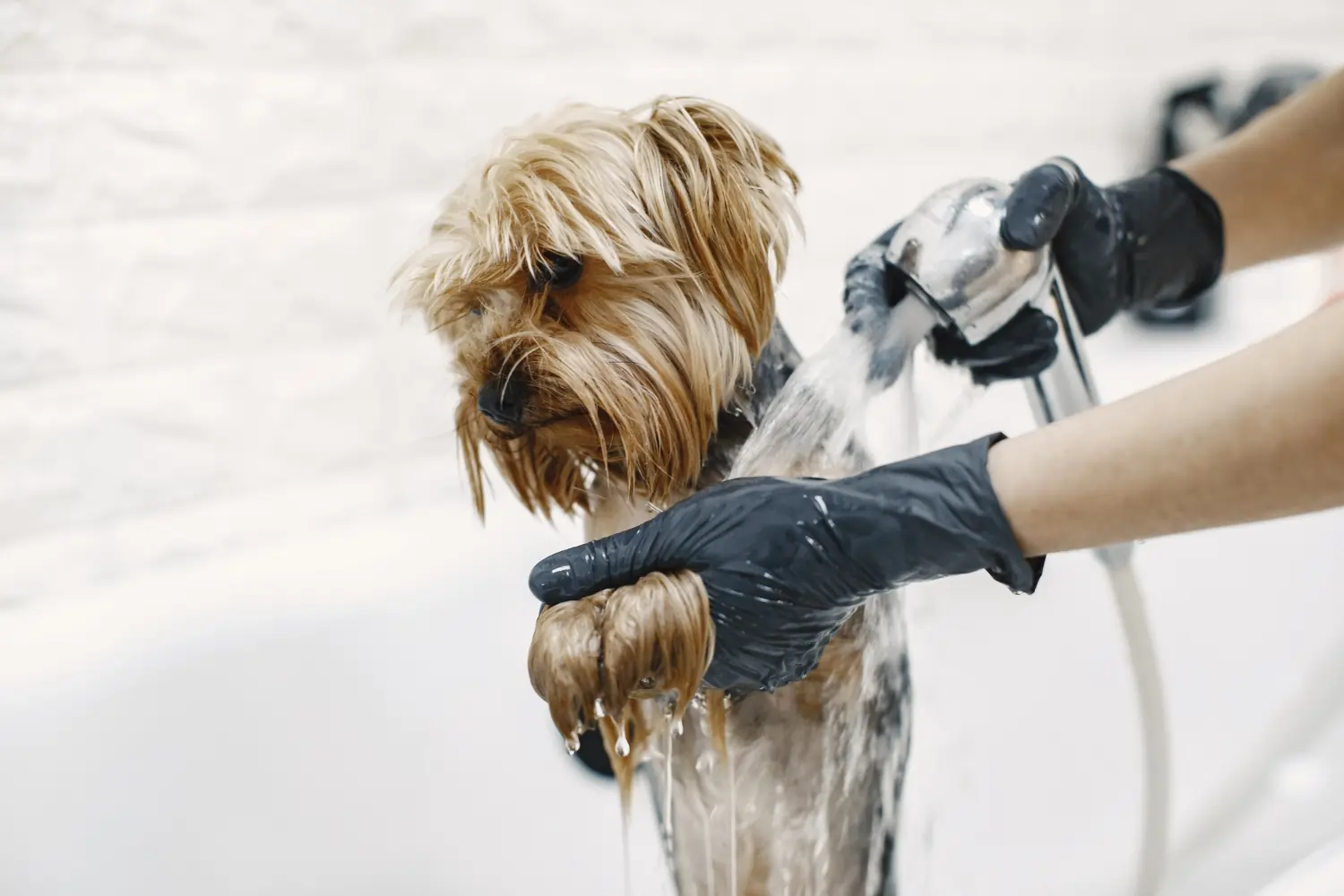
Finding the right groomer feels overwhelming when you do not know what to look for. With the UK dog grooming industry being largely unregulated, anyone can set up shop and call themselves a professional.
The UK pet grooming market is worth over £530 million annually and growing fast,[1] but there is no legal requirement for groomers to have qualifications or insurance.[2] Anyone can legally set up a grooming business regardless of experience or training.
Ask about their Level 3 Diploma certification, insurance coverage, first aid training, and experience with your dog’s breed. Always tour their facilities and watch how they handle nervous dogs. These 15 questions separate the pros from the pretenders.
Quick Questions Checklist (UK)
Use this checklist before booking — it covers the essentials owners ask about most.
- Qualifications — Level 3 Diploma (City & Guilds, iPET, AIM/OCN).
- Insurance — public liability and professional indemnity.
- First aid — canine first aid certification.
- Salon tour — clean, organised, safe workspace.
- Nervous dogs — gentle handling and clear calming strategies.
- Sensitive-skin products — pH-balanced dog shampoos; see our best dog shampoo guide.
- Breed experience — specific coat and clip knowledge.
- Pricing and policies — transparent quotes and fair terms; see our dog grooming prices guide.
Why This Matters More Than You Think
Bad groomers can traumatise your dog for life. Dogs can refuse to be touched after one terrible experience — and rebuilding that trust takes months of patient handling.
The Grooming Boom Has a Dark Side
Everyone wants a Cockapoo or Labradoodle these days. These dogs need professional grooming every 6–8 weeks, which means big business for groomers — and a flood of under-trained operators entering the industry without oversight.
The problem? Anyone can call themselves a groomer. No licence required, no mandatory training, no oversight. Your dog’s safety depends entirely on your ability to spot the good ones.
What Goes Wrong
Poor grooming is not just about a bad haircut. The real risks include:
- Cuts and nicks — from inexperienced hands with sharp tools
- Severe matting — that restricts blood flow and causes pain when it has to be removed
- Skin irritation — from harsh products or rough handling
- Psychological trauma — that makes future grooming harder for years
Where to Find the Good Ones
Start with people who actually know dogs. Random Google searches will not tell you whether a groomer is gentle with nervous dogs or rushes appointments.
Ask Dog People
Dog owners love talking about their groomers — if they are good. Here is who to ask:
- Your vet — they see the results of both good and bad grooming
- Dog park regulars — especially those with well-presented dogs
- Local Facebook groups — where people share honest, unfiltered opinions
- Dog training classes — trainers see who handles dogs well
The Meet-and-Greet Is Everything
Never book without visiting first. A good groomer wants to meet your dog and will happily show you around. Watch how they interact with your dog. Do they get down to their level? Do they let your dog sniff them first? These details matter.
The 15 Questions That Matter
Do not feel awkward about asking these questions. Good groomers expect them and bad ones will get defensive.
Credentials — Questions 1 to 4
“What qualifications do you have?” Look for a Level 3 Diploma in Dog Grooming (City & Guilds 7763-03, iPET Network, or AIM Awards). These are not weekend courses — they are proper qualifications covering dog handling, coat types, breed standards, and safety protocols.
“Are you insured?” Professional indemnity and public liability insurance are non-negotiable. If they hesitate or get defensive, walk away.
“Do you have first aid training?” Dogs can have medical emergencies during grooming. Your groomer should know what to do if one occurs.
“How long have you been grooming?” Experience matters, but so does ongoing training. The best groomers never stop learning.
Safety and Cleanliness — Questions 5 to 8
“Can I see your grooming area?” It should be clean, well-lit, and organised. Dirty tools spread disease between dogs.
“How do you clean your equipment?” Look for blade wash, UV sterilisers, and proper disinfection protocols between every client.
“What is your vaccination policy?” Policies vary by salon; many require up-to-date core vaccinations. If your dog has health exemptions or skin conditions, ask your vet for guidance before booking.
“How do you handle emergencies?” They should have a first aid kit and a clear protocol for accidents or medical events during a session.
The Grooming Process — Questions 9 to 12
“What is included in a full groom?” Nail trimming and ear cleaning should be standard, not expensive add-ons.
“What products do you use?” Ask for pH-balanced, dog-specific shampoos. Hypoallergenic or medicated options should be used per vet guidance only. Avoid groómers using human shampoos or heavily fragranced products. See our dog shampoo guide for what to look for.
“How do you handle anxious dogs?” They should have strategies beyond just restraining nervous dogs. Look for groomers who use positive reinforcement, offer breaks, and work at your dog’s pace. For guidance on finding the right groomer in Kent, see our how to find a good dog groomer guide.
“Do you have experience with my breed?” A Poodle cut is very different from a Spaniel trim. Breed knowledge matters, especially for working breed coats.
Practical Questions — Questions 13 to 15
“What are your prices?” Get a clear quote upfront. Hidden charges are a red flag. For typical UK pricing in Kent, see our grooming prices guide.
“How long does grooming typically take?” Rushed jobs lead to stressed dogs and poor results.
“What is your cancellation policy?” Life happens. Reasonable policies show they understand.
Red Flags That Scream Run Away
Trust your instincts. If something feels off, it probably is.
They Will Not Show You Around
Any groomer who refuses to show their workspace is hiding something. Maybe it is dirty, maybe it is chaotic, maybe it is unsafe. Do not find out the hard way by leaving your dog there.
They Play Vet
Good groomers spot problems and refer you to your vet. Bad ones try to diagnose and treat issues themselves.
Run if they offer:
- Anaesthesia-free dentals — dangerous and ineffective without proper sedation
- Medical advice — that is your vet’s job, full stop
- Treatments for skin conditions — without vet consultation first
They Force Scared Dogs
A good groomer will stop if your dog is genuinely distressed. Bad ones power through because the appointment slot needs filling.
Your dog’s mental health matters more than a perfect haircut. A patient groomer builds trust over multiple visits. One bad session can take months of careful work to undo.
Suspiciously Cheap Prices
Quality costs money. Rock-bottom prices — significantly below the market rate — usually mean corners are being cut somewhere.
Cheap grooming often means:
- Rushed appointments — stressed dogs and poor results
- Cheap products — that can irritate sensitive skin
- Unqualified staff — effectively learning on your dog
- Poor equipment — that pulls or overheats
What Great Groomers Do Differently
The best groomers treat your dog like their own. Here is what sets them apart:
They Never Stop Learning
Top groomers invest in ongoing education. They attend workshops, learn new techniques, and stay current with breed standards.
Many hold additional credentials:
- Canine first aid training — knowing what to do if something goes wrong
- Dog behaviour qualifications — handling anxious or reactive dogs with care
- Breed-specific certifications — mastering specialist cuts and styles
They Use Quality Tools and Products
Premium products and equipment are not just for show. They make grooming safer and more comfortable for your dog.
Look for:
- pH-balanced shampoos — free from harsh chemicals; see our dog shampoo guide
- Adjustable grooming tables — comfortable for dogs of all sizes; see our dog grooming table guide
- Multiple dryer options — for different coat types and sensitivities
- Sharp, well-maintained tools — oiled and sharpened regularly
They Put Dogs First
Great groomers work at your dog’s pace, not their schedule. They take breaks, offer treats, and stop if needed.
They also educate owners about home coat care between visits. The single most effective tool for preventing matting building up between appointments is a quality slicker brush.
Recommended Home Tool: Hertzko Self-Cleaning Slicker Brush
A slicker brush is the most effective at-home tool for preventing matting between professional grooms. The Hertzko Self-Cleaning Slicker Brush is among the UK's bestselling grooming tools — fine bent wire bristles remove loose fur without scratching skin, and a self-cleaning button releases collected hair instantly.
Regular brushing at home (2–3 times per week) can extend time between professional grooms from 6 to 8 weeks, saving £200 or more per year. Works across all coat types — from Poodles to Golden Retrievers. See our full [guide to brushes for shedding dogs](/blog/best-brushes-for-shedding-dogs) for more options.
Prices subject to change. We may earn a commission from affiliate links.
Making Your Decision
Do not rush this choice. Your dog will hopefully see this groomer for years to come.
Start with a basic service first. A bath and brush-out lets you see how they handle your dog without committing to a full groom. Watch how your dog behaves during and after the session.
Trust your dog’s reaction. If they are happy to return for the second visit, you have found a good one.
Remember: the cheapest option is rarely the best option. Your dog’s safety and comfort are worth paying for. A good groomer becomes part of your dog’s regular care team, spotting skin issues, coat problems, and health changes that owners sometimes miss.
Find groomers in your area
Ready to find a groomer you can trust? Our Kent directory lists dog groomers with contact details, services, and location information so you can visit before you commit to a booking.
Browse groomers by area: Folkestone · Dover · Hythe · Sandgate. For what to expect on pricing, see our dog grooming prices guide.
Frequently Asked Questions
What qualifications should a dog groomer have in the UK?
The industry standard is a Level 3 Diploma in Dog Grooming from City & Guilds (7763-03), iPET Network, or AIM Awards.[3] This qualification demonstrates proper training in dog handling, coat types, breed standards, and safety protocols.
Additional credentials worth looking for include canine first aid training (CPD-accredited)[4] and membership of the British Dog Groomers’ Association (BDGA) or British Isles Grooming Association (BIGA).[5] Note: there is no legal requirement for qualifications in the UK, but these credentials indicate professional competence.
How do I know if a dog groomer is insured?
Ask to see their certificate of insurance. Professional groomers should hold both public liability insurance (typically £1–5 million coverage) and professional indemnity insurance to protect against accidents, injuries, or damages during a session.
Red flag: any groomer who refuses to provide proof of insurance or becomes defensive when asked. This is a standard question that all legitimate professionals expect.
What does a full dog groom include in the UK?
A full groom typically includes: bath with dog-specific shampoo, blow dry, brush-out, haircut or trim to breed standard, nail clipping, and ear cleaning. Some groomers include anal gland expression; others charge separately. Always ask for a written quote upfront and confirm what is included before you pay.
How much should dog grooming cost in the UK?
Expect to pay £25–£100 depending on your dog’s breed, size, and coat type. Small, short-haired breeds typically cost £25–£40, while large breeds with complex coats (Poodles, Old English Sheepdogs, Cockapoos) can cost £70–£100 or more.
Warning: suspiciously cheap prices significantly below the market rate often indicate corners being cut — rushed appointments, cheap products, or unqualified staff. For current Kent pricing data, see our dog grooming prices guide.
What are the biggest red flags when choosing a dog groomer?
Major red flags: refusing to show you their workspace; no insurance or qualifications; offering anaesthesia-free dentals; giving medical advice without a vet referral; forcing scared or distressed dogs to continue; rock-bottom pricing significantly below market rate; no clear cancellation policy or hidden charges.
How often should dogs be professionally groomed?
It depends on breed and coat type. Dogs with continuously growing coats (Poodles, Cockerpoos, Shih Tzus, Bichon Frises) typically need grooming every 6–8 weeks. Short-coated breeds may only need a professional groom every 3–4 months or less. See our how often should you groom your dog guide for breed-specific guidance.
References
- Expert Market Research — United Kingdom Pet Grooming Market Size Report (2024)
- LegalVision UK — Dog Grooming Business Legislation
- City & Guilds — Level 3 Diploma in Dog Grooming (7763-03)
- First Aid for Dogs UK — CPD-Accredited Canine First Aid Courses
- Pet Industry Federation — British Dog Groomers’ Association (BDGA)
- British Isles Grooming Association (BIGA)
Move from research into real local options
Use the directory to compare live grooming listings, or check the Kent price guide first if you want a quick cost sense-check before contacting a business.